Heal the Sick Program
Whole Person Health and Well-Being in the Community
MISSION
As part of Wesley Theological Seminary's Community Engagement Institute, the Heal the Sick (HTS) Program prepares, educates, and equips leaders to advance whole person health and well-being of individuals, communities, and congregations, especially those who are under-served.
OVERVIEW
The Heal the Sick Program works at the intersection of faith and health on a local, regional, and national level. The Heal the Sick program prepare leaders to advance whole person health and well-being of individuals, communities, and congregations, especially those who are underserved. Key components of the program include promoting faith communities’ health ministries, providing educational opportunities, catalyzing network creation, and supporting existing networks, and facilitating collaboration with community partners.
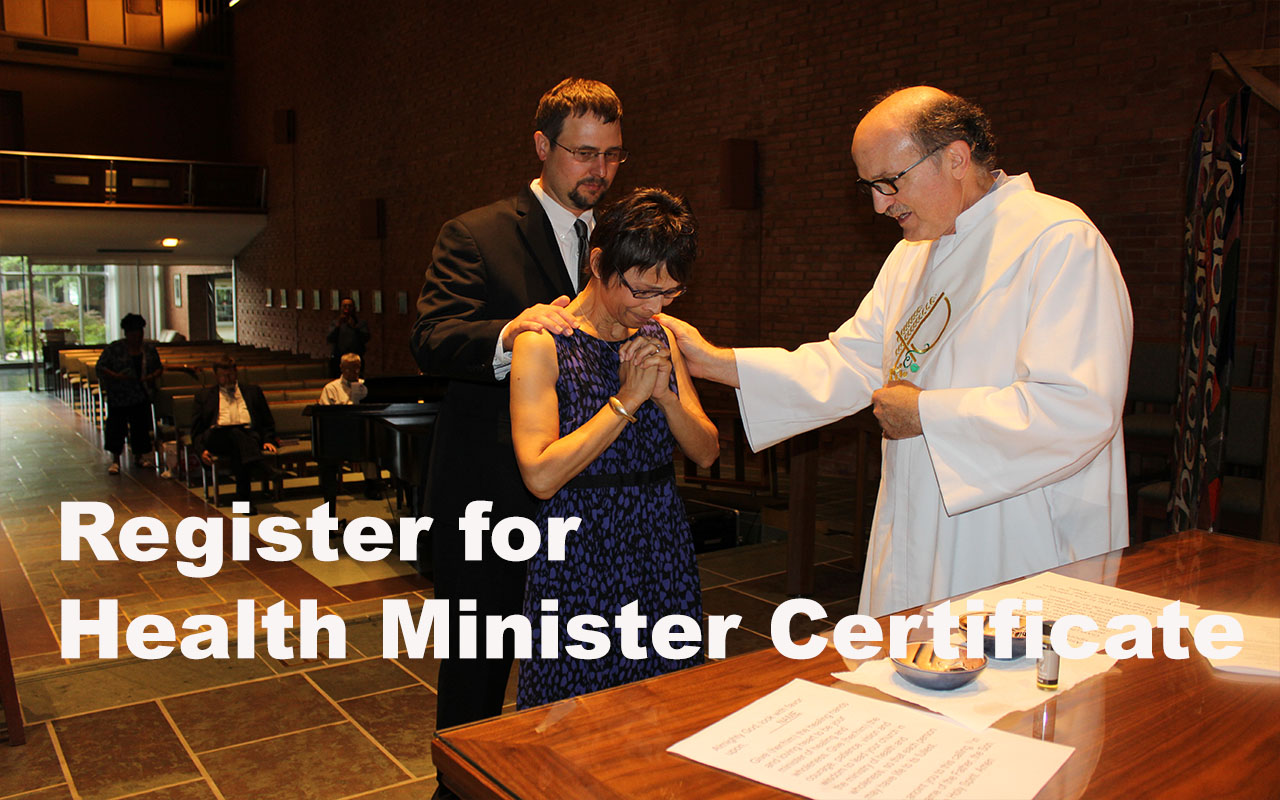
The program offers a 30-hour, 12-week Health Minister Certificate; Advanced Leadership Training for Health Ministers; graduate courses (Introduction to Health Ministry and Leadership in Health Ministry, and Trauma Informed Congregations); provides resources and information to help churches and communities address health concerns, share resources, and advocate for better care; and collaborates with faith-based organizations, public health, businesses, hospitals, and other groups to conduct faith and health research to better understand the impact of health ministries as well as health and wellness issues.
ACCOMPLISHMENTS
To learn more about the Heal the Sick program's accomplishments, please visit https://www.wesleyseminary.edu/ice/programs/heal-the-sick/publications-accomplishments/
If you would like more information about the Heal the Sick program, please email us at tpruski@wesleyseminary.edu or call 202-706-6843.
Heal the Sick's Key Roles:
- Equip - Prepare leaders for various roles as collaborator, listener, coordinator, and critical thinker in promoting health and healing in community
- Support - Assist congregations' health ministries and help develop their role to discern their direction and partners
- Catalyze - Initiate network creation or support existing networks among congregations, hospitals, and associations
- Serve - Work as facilitator for sustaining communication and collaboration among local leaders to serve the common good